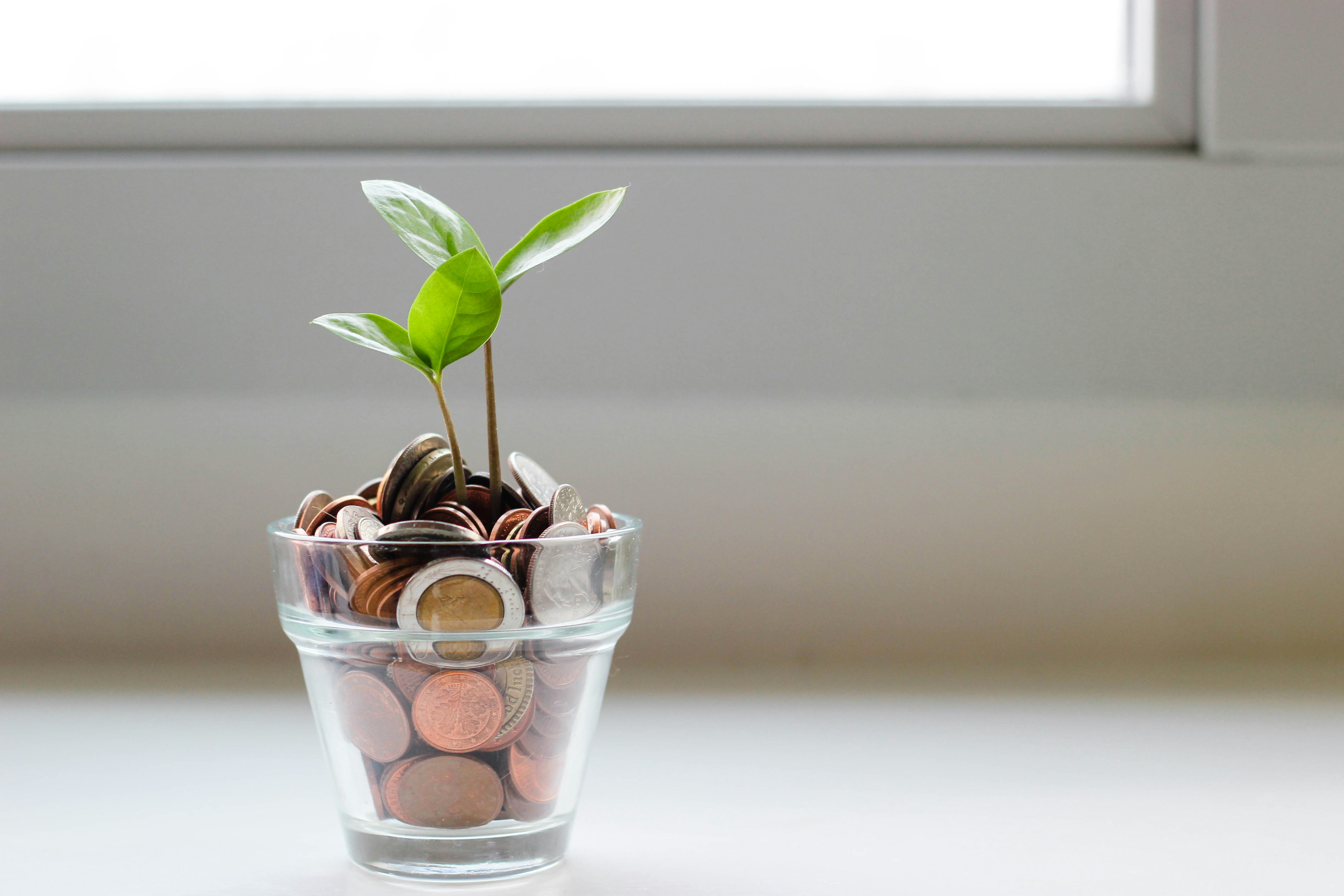
Which one makes more sense for your money?
If you're parking money in a savings account, there's a good chance you're leaving money on the table—and most people don't even realize it.
For years, traditional savings accounts at big banks were just "where your money goes." You got a debit card, a checking account, and a savings account all bundled together. Easy. Familiar. Convenient.
The problem? Many traditional savings accounts still pay painfully low interest rates—sometimes as little as 0.01% to 0.10% annually. That means if you have $10,000 sitting there, you might earn enough interest in a year to buy… maybe a cup of coffee.
That's where a High-Yield Savings Account (HYSA) changes the game.
A HYSA works almost exactly like a regular savings account. Your money is still accessible, still insured by the Federal Deposit Insurance Corporation (or National Credit Union Administration for credit unions), and still considered low risk. The big difference is the interest rate.
Right now, many high-yield savings accounts offer rates that are dozens of times higher than traditional banks. Instead of earning a few dollars per year, your money could earn hundreds—without you doing anything extra.
So why doesn't everyone use one?
The biggest tradeoff is convenience. Many HYSAs are offered by online-only banks or fintech companies. That usually means no physical branch, and transfers can sometimes take a day or two. For some people, that feels inconvenient. For others, it's a small price to pay for dramatically better returns.
Traditional savings accounts still have their place. If you value in-person banking, want everything under one roof, or just keep a small emergency buffer there, they can work fine. But if your goal is to grow your savings—even modestly—a low-rate account can quietly cost you money over time.
A simple way to think about it
Here's a straightforward comparison:
- Traditional savings account: better for convenience.
- High-yield savings account: better for earning.
A smart strategy for many people is to use both: keep your checking and a small local savings account at your everyday bank, then move your larger emergency fund or short-term savings into a HYSA where it can work harder.
Because your money should be doing something while it waits.
Run the numbers
Use our Mortgage Calculator or Auto Loan Calculator to see how smarter savings habits can free up more money for the purchases that matter most.
If you haven't checked your savings account interest rate lately, now is a good time. It might be the easiest financial upgrade you make all year.